

Peplink MAX Orbit 4
Purpose-Built for Robust Multi-Orbit Connectivity
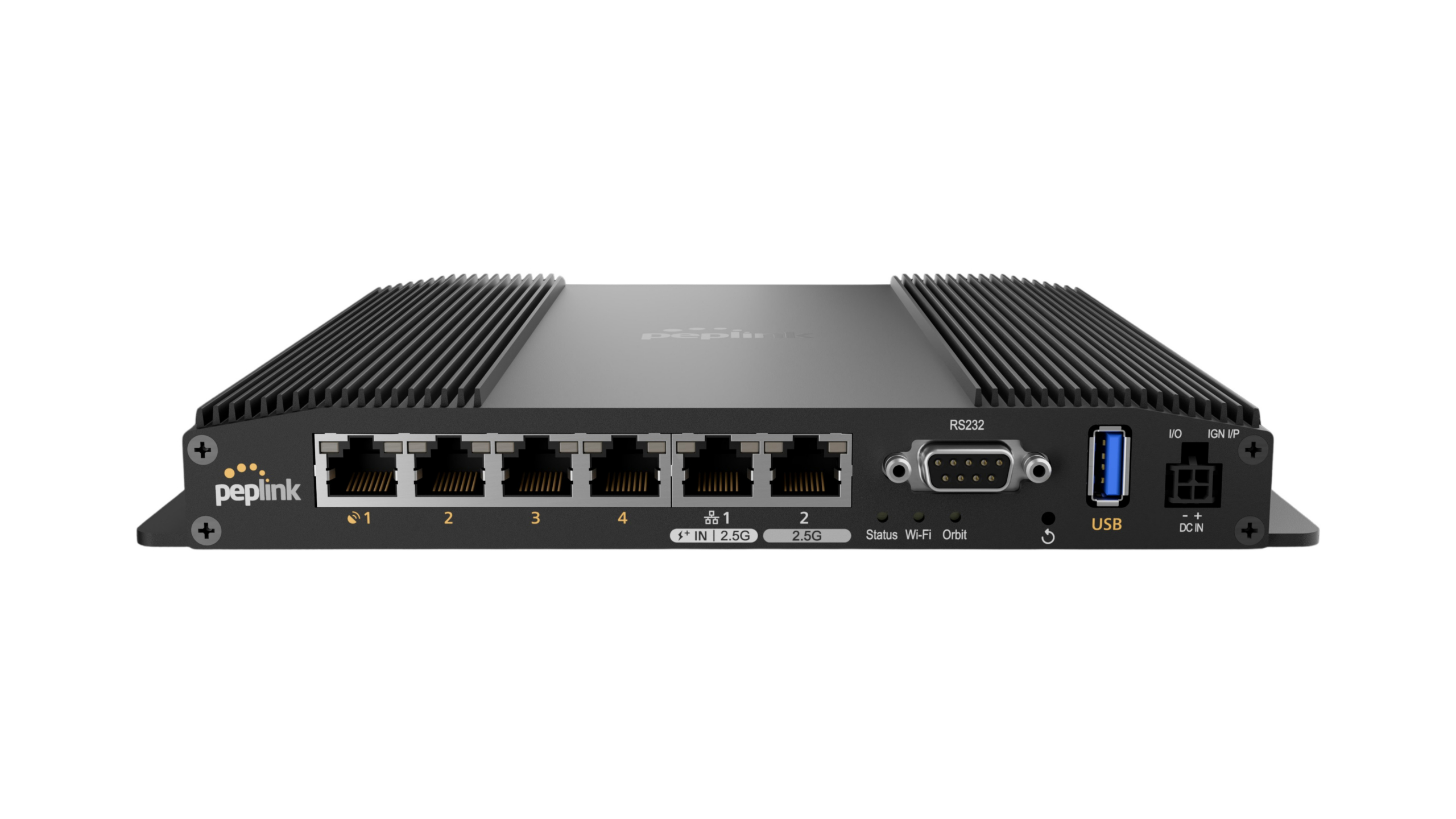


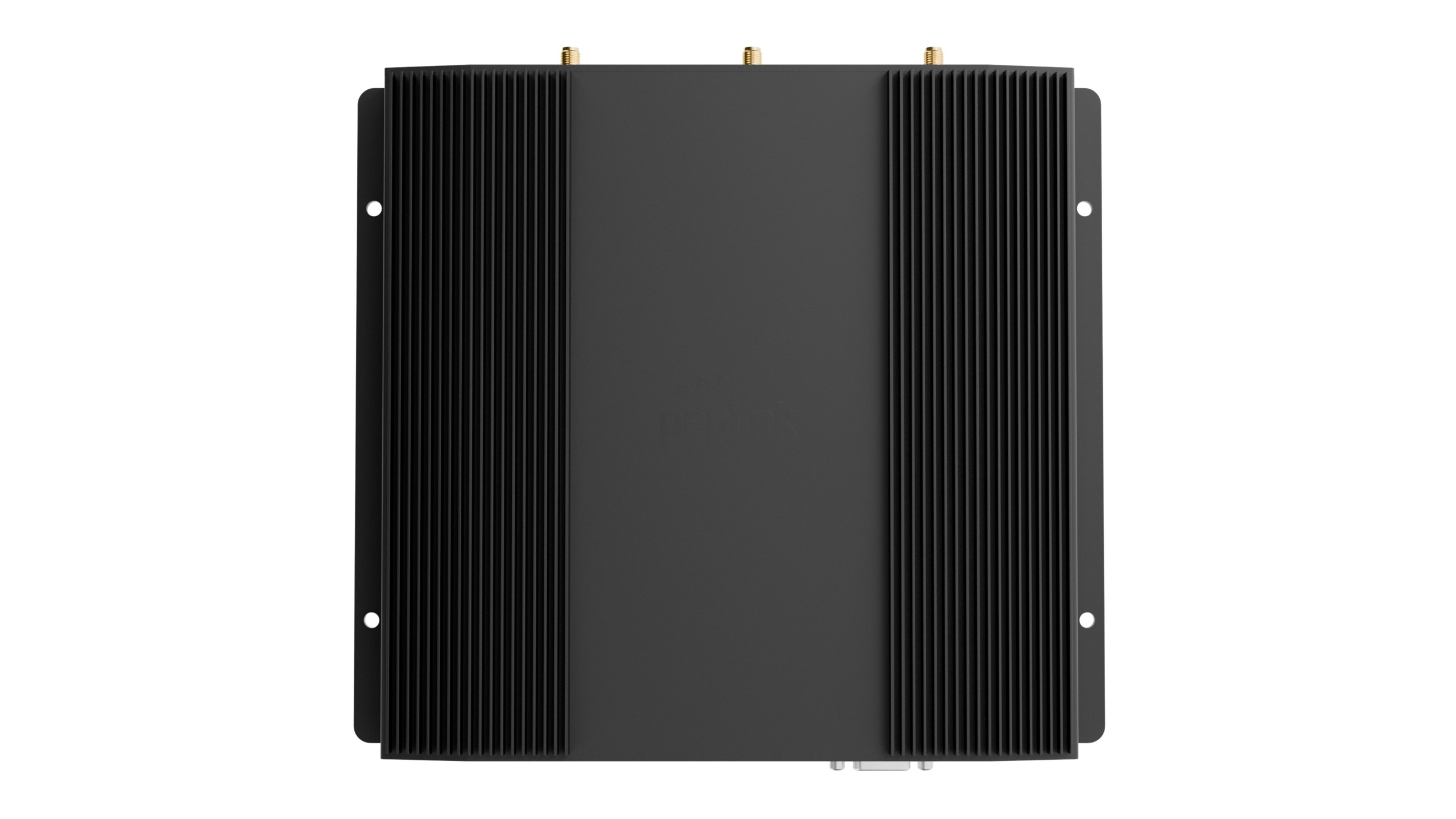
Purpose-Built for Scalable Multi-Orbit Performance
Overview
The MAX Orbit 4 extends multi-orbit connectivity capabilities into higher-density environments requiring more bandwidth, more interfaces, and more resiliency. It is designed for field operations, distributed infrastructure, and edge deployments where multiple WAN sources must operate simultaneously under load.
It combines satellite, cellular, and fiber WAN aggregation into a unified, resilient networking layer.
Aggregate Multiple WAN Sources into One Network
Orbit 4 enables multi-source WAN orchestration at a larger scale.
- Starlink, OneWeb, and Iridium integration support
- 5G + fiber WAN hybrid architectures
- Multiple Ethernet WAN interfaces for flexible deployment
- Centralized management via InControl
Supports environments transitioning between fixed and mobile connectivity.
Improve Stability Across Mixed Networks
Orbit 4 enhances performance in environments with mixed or unstable WAN links.
- SpeedFusion bonding across satellite + cellular + fiber
- Dynamic failover between WAN paths
- SpeedFusion Boost for smoothing and throughput optimization
- Real-time performance scoring via SpeedFusion analytics
Designed to maintain throughput consistency across variable infrastructure.
Hybrid Edge Deployment Capability
Supports both fixed and semi-mobile deployments requiring higher interface density.
- GPS-enabled positioning
- Rugged chassis design for field environments
- USB 3.0 expansion support
- Edge compute via Docker (8GB storage)
- Flexible WAN/LAN port configuration
Suitable for semi-permanent field sites and distributed edge nodes.
Technical Summary
- WAN: 4x 1G Ethernet + USB 3.0 WAN
- LAN/WAN: configurable multi-role ports
- Wi-Fi: Wi-Fi 6 (dual-band, 2×2 MU-MIMO)
- VPN Throughput: up to 200 Mbps AES-256
- SpeedFusion: bonding, failover, Boost
- Power: 11–14W
- Users: up to 150 recommended
- Environmental: -40°C to 65°C
Best Fit Use Cases
- Mobile command and control vehicles
- Remote industrial sites
- Energy, mining, and utility field operations
- Temporary infrastructure deployments
- Edge aggregation nodes for multi-site WAN backup